What to take on a day walk - Milford Track, Milford Sound
Tags
What to take on a day walk from Sandfly Point to Giant Gate Falls
Your friendly guide to staying comfy, prepared, and ready to spot Fiordland’s incredible wildlife!
The section of the Milford Track between Sandfly Point and Giant Gate Falls is a slice of pure Fiordland magic - ancient rainforest, jewel-green moss, waterfalls tumbling down sheer valley walls, and cheeky birds to keep you company.
It’s only a couple of hours’ walking there, but the environment is wild, the weather is unpredictable, and the scenery is unforgettable. Here are some ideas of what to bring to make the most of your day.
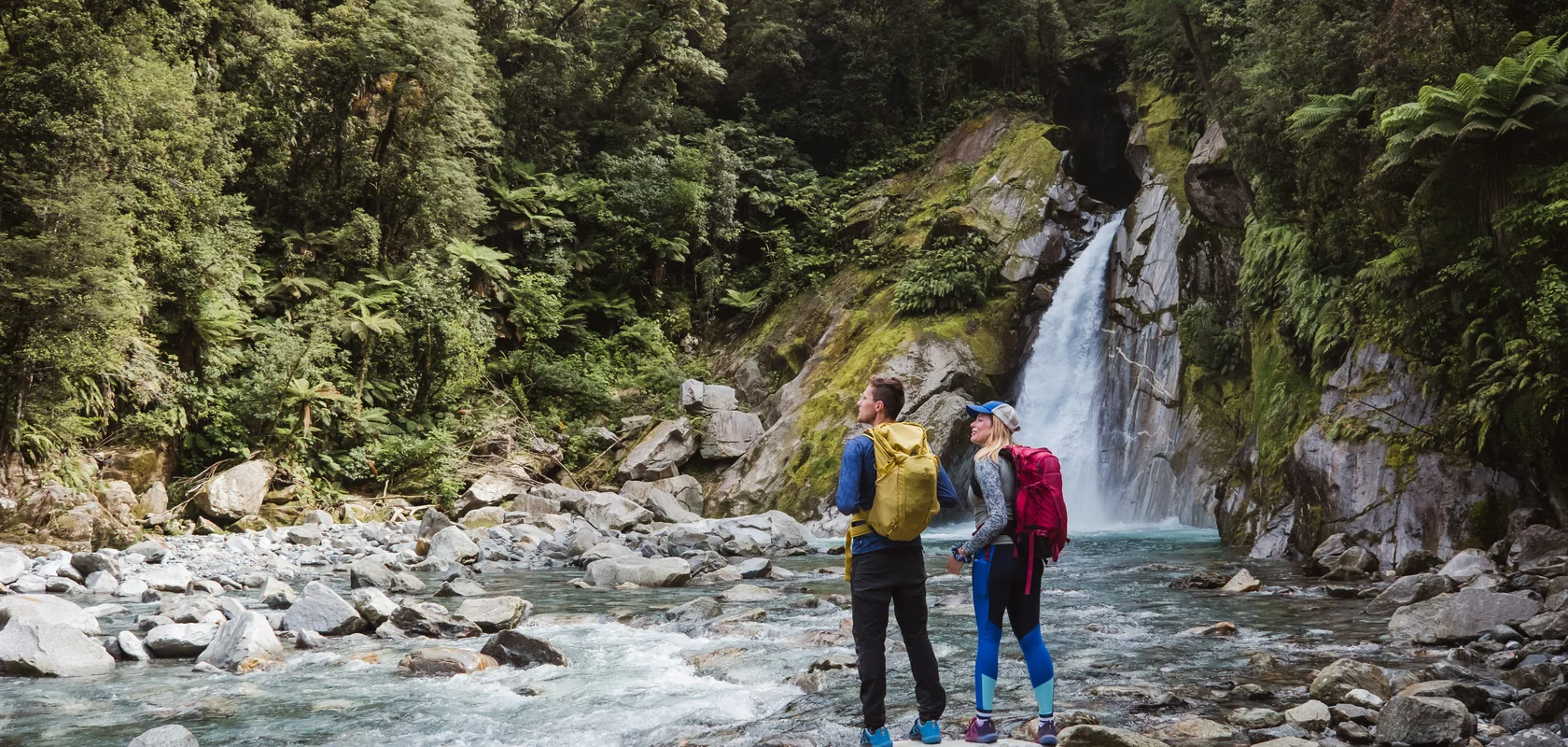
The Essentials (Don’t Leave These Behind!)
- A Proper Rain Jacket - Fiordland is famous for two things: waterfalls and rainfall. A seam-sealed waterproof jacket is essential - even on a sunny day. Rain is part of the charm here!
- Comfortable Walking Shoes - The track is beautifully maintained, but expect tree roots, puddles, and the occasional muddy patch. Good grip makes all the difference.
- Spare shoes, socks, pants - With out famous rainfall, there is a chance you may get wet feet so we recommend you pack a spare set of shoes, socks and pants for your return just in case!
- Warm Layers - Merino or fleece is your best friend. Weather here can switch from “T-shirt warm” to “where’s my beanie?” in minutes! Take it all and have no regrets.
- Snacks + Lunch - You will want something tasty to enjoy the views with. A great snack spot is at Giant Gate Falls - handy tip to keep the sandflies away, is to sit near to the falls so you can get the refreshing spray and a sandfly free lunch!
- Sun Protection - The canopy may be thick, but UV in NZ is intense. Sunglasses, sunscreen, and a hat will keep you happy.
- Bug Spray - Sandflies are the real locals of Sandfly Point - and they take their job seriously. Repellent = peace, and bright colour clothing helps!
- A Small First Aid Kit - Just the basics: plasters, blister pads, personal meds. Always good to be prepared.
- Camera or Phone - You will all want photos - the swing bridge, the mossy forests, and Giant Gate Falls are too good to miss. Bring a dry bag if the weather looks moody.
Why we love this walk …
- It’s gentle, peaceful, and beautifully maintained.
- You will cross the famous Giant Gate swing bridge, which is basically a selfie waiting to happen.
- The waterfall is spectacular in all weather - gentle on dry days, thundering after rain.
- You can turn around at any point and still feel like you have wandered into a nature documentary, and it can feel very Jurassic park - many customers have told us!
Extra Tips for a Great Day
- Start early if you can - it is quieter and the light in the forest is magic.
- Stay on the track to protect fragile moss and plant life.
- Take your time. Look up, look down, listen. The forest here has its own soundtrack.
- Pack out all rubbish, even apple cores - Fiordland thanks you!
- Be prepared to get wet, whether from rain or waterfall mist. It is part of the fun.
- No drones are allowed in the Milford Sound area, so please leave these behind.
- On the Milford track there is no cell service, so enjoy the peace!
- Tag us in your track photos #MyFiordlandMoment to be entered in our annual competition with some big prizes up for grabs!
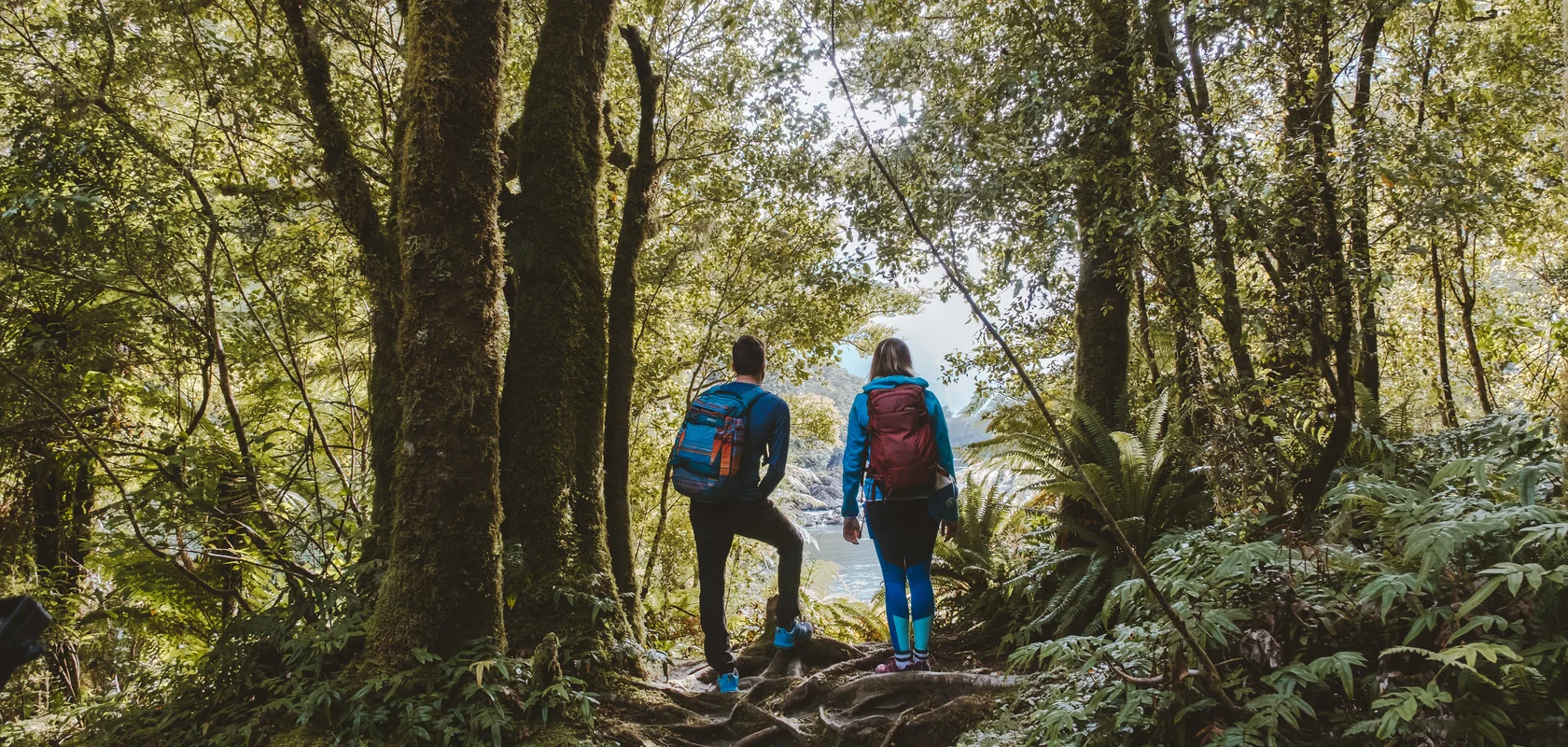
What you will see on a day walk, Milford Track
This short section of the Milford Track is bursting with life. Keep an ear out and your eyes open for some local wildlife along the way:
- Pīwakawaka (fantail): are very friendly birds! They are small round birds with a little beak and a large showy tail like a fan. Most fantails are dark brown with white stripes and a light brown belly though around 5% of the south island population are an all black morph. They have a loud distinctive cheap and are active and friendly around humans. Combined with the species' thriving population, they are likely one of the most encountered native birds in New Zealand. Fun fact: The fantail's large tail enables its erratic flight style, letting it quickly change direction and dart after insects.
- The Whio (blue duck) is an iconic back-country species, and it features on the New Zealand $10 note. The Whio is endangered and has yellow eyes. The blue duck is a river specialist and is found in fast flowing streams and rivers. If you are very lucky, you may see some at Giant Gate Falls! Fun Fact; The name whio means whistle in Māori and describes the call of the male bird. Further information about the amazing Whio can be found here
- Weka are quite likely New Zealand's cheekiest bird. They are charming inquisitive birds that seem to like spending time around humans. Do not mistake this for friendliness though, the weka have ulterior motives and are well known for pinching food, sunglasses, and anything bright and shiny! So please keep your belongings out of their way if they are close by (often around Giant Gate Falls). On first arriving in New Zealand, Europeans referred to weka as Bush Hens. Weka are another of New Zealand's signature large flightless birds. Fun fact: Often mistaken for the kiwi bird, the weka lack the long beak of a kiwi and are usually seen during the day.
Plants & Forest Magic along the way
Mosses everywhere: Fiordland is basically the world capital of moss. This is one of the best spots to experience the iconic “green tunnel” of Fiordland rainforest. The Milford Track, due to its high humidity and abundance of rainfall, is home to a diverse range of moss species. NZ has about 550 species of mosses, with lots of these being recent discoveries. Most mosses are very delicate, it is important please to not to step on these, if possible, as many of them will die almost immediately ☹
- Sphagnum Moss, Sphagnum cristatum, The common name refers to a genus of about 150 mosses that are also known as peat moss or bog moss. All these mosses are known for water they can absorb (some up to 25x their own weight). Sphagnum moss is farmed commercially in NZ. It is commonly used in floristry. During the war Sphagnum moss was also used as a dressing due to a shortage of bandages.
- Kiwi Feather Moss. Genus Dicranoloma, This species of moss is found throughout NZ and the southern hemisphere. It is known by the common name, due to its resemblance to the kiwi’s hair like feathers.
- Goblin moss, Weymoutha mollis, this moss is often seen hanging from tree branches in damp and rainy forests. It is found more commonly in the forests west of the main divide. We love it as it adds some forest magic and has Lord of the Rings vibes to it!