What to Pack for a Fiordland Great Walk: The Gear List That Won't Let You Down
Tags
Forget the generic hiking lists. This is gear advice built around Fiordland's specific conditions - and the things that actually make the difference on the Milford, Routeburn, and Kepler.
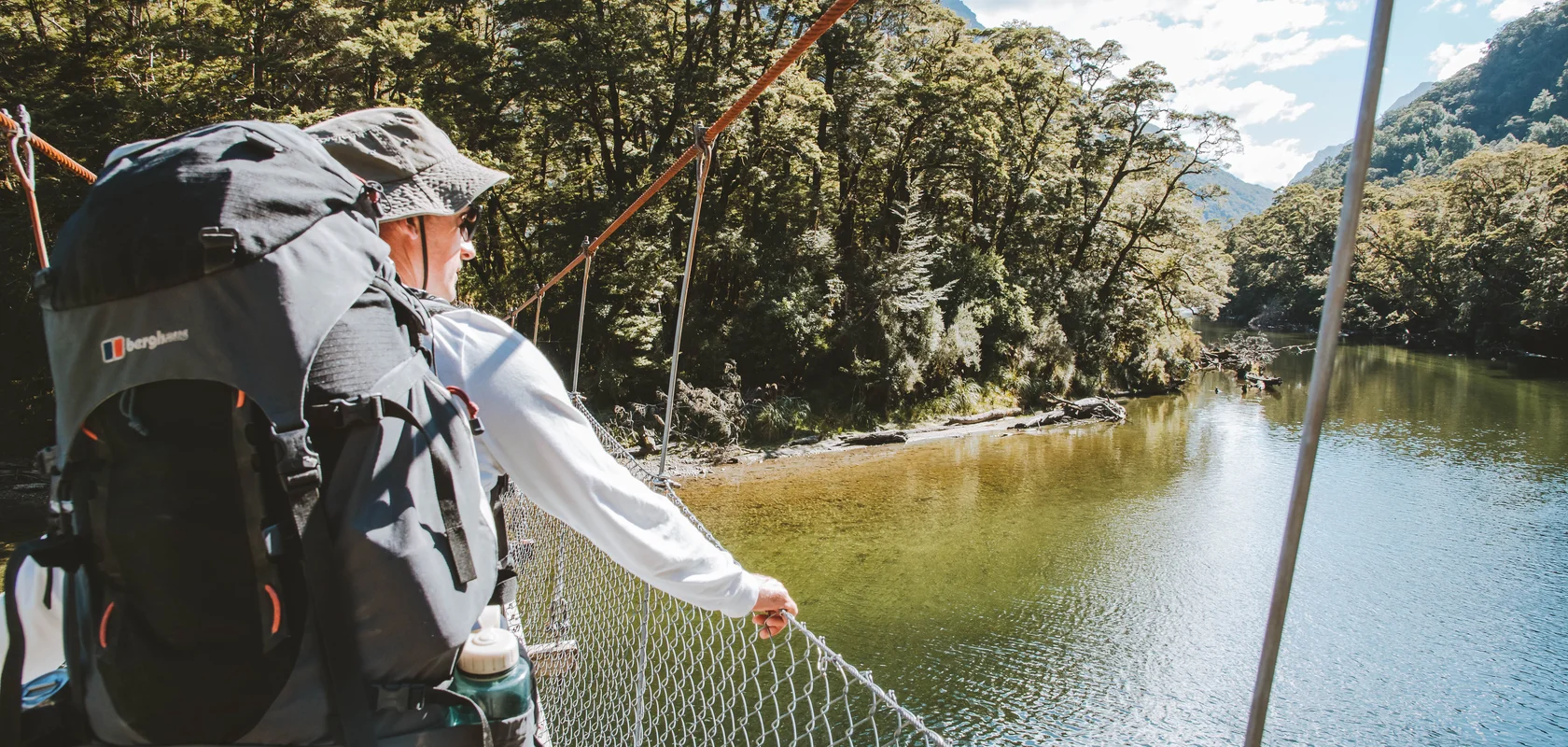
The NZ Great Walk hut system means you don't need camping gear - the huts have sleeping bunks (bring your own sleeping bag liner or lightweight sleeping bag), heating in the common areas, gas cookers, and running water. That changes the gear calculus significantly.
What it doesn't change: Fiordland's weather. Rain is the defining variable, and packing around it correctly separates a comfortable trip from a miserable one.
The Non-Negotiables (Fiordland-Specific)
Rain Gear
This is the most important gear decision for a Fiordland Great Walk. A packable, lightweight jacket is not enough. You need:
- A fully waterproof, seam-sealed jacket with a hood that stays on your head in wind.
- Waterproof over trousers - not water-resistant. On a full rain day on Mackinnon Pass or Harris Saddle, waterproof trousers are the difference between cold and hypothermic.
- Waterproof pack liner or a dry bag inside your pack. Even 'waterproof' packs let water in after sustained rain. Keep your sleeping bag, spare clothes, and electronics inside a dry bag.
Is a poncho enough for the Milford Track?
A poncho can work for light rain on valley sections, but it is not adequate for the Milford Track's exposed alpine sections (Mackinnon Pass) or the Routeburn's Harris Saddle. Wind combined with rain makes a loose poncho ineffective. A properly fitted waterproof jacket with sealed seams is the right choice for Fiordland.
What footwear should I wear?
The Milford and Kepler tracks are well-surfaced and do not require heavy mountaineering boots in Great Walk season. That said:
- Waterproof hiking boots (mid or high cut) are strongly preferred over trail runners. Ankle support matters on rooted, uneven surfaces.
- The Kepler Track has a section of boardwalk that can be slippery when wet. Soles with good grip matter.
- Break in new boots before the track - blisters are the number one trip-ruiner on multi-day walks. Don't underestimate this.
- Bring camp shoes (sandals or lightweight shoes) for the huts. Wet boots that sit inside a hut overnight stay wet.
Layers for the Alpine Sections
All three tracks have exposed alpine sections where conditions can deteriorate rapidly. Even in January, you should carry:
- A thermal base layer (merino or synthetic - not cotton).
- A mid layer (fleece or light down jacket). Down compresses well and is light; synthetic insulation performs better when wet.
- Your waterproof shell (already mentioned above).
- Gloves and a hat - the Kepler ridge and Harris Saddle regularly have temperatures that make these necessary, even in summer.
The Practical Stuff People Forget
Gaiters: Often overlooked, genuinely useful on the Milford and Kepler in spring and after heavy rain. Low gaiters keep mud and debris out of boots.
Trekking poles: Optional but recommended for the descents, particularly the steep drop from Mackinnon Pass to Dumpling Hut on the Milford, and the Luxmore descent on the Kepler. Poles reduce knee strain significantly over multiple days.
Headtorch: Essential. Huts don't always have good lighting in all areas, and if you're walking early morning or late afternoon in shoulder season, you'll want one.
Insect repellent: Sandflies are a Fiordland reality. Particularly bad at Sandfly Point at the end of the Milford Track (the name is not ironic). DEET-based repellent or picaridin works best.
Sunscreen: The alpine sections have strong UV exposure, amplified by any snow reflection. Easy to underestimate on a cloudy day.
First aid kit: A basic kit including blister treatment, pain relief, and any personal medications. The huts have basic first aid, but having your own means not having to ask.
Your Great Walks food strategy
Great Walk huts have cooking facilities (gas cookers, pots, and utensils in most cases) but do not provide food. You carry all your meals and snacks.
For a four-day walk, the key is weight and simplicity:
- Breakfast: Instant oats, muesli, and coffee sachets are the workhorses. Aim for something that cooks or rehydrates fast.
- Lunches and snacks: Tramping is not the time for careful calorie restriction. Bring more than you think you'll want. Nuts, dried fruit, crackers, cheese (hard cheeses travel well for 2–3 days), peanut butter, chocolate.
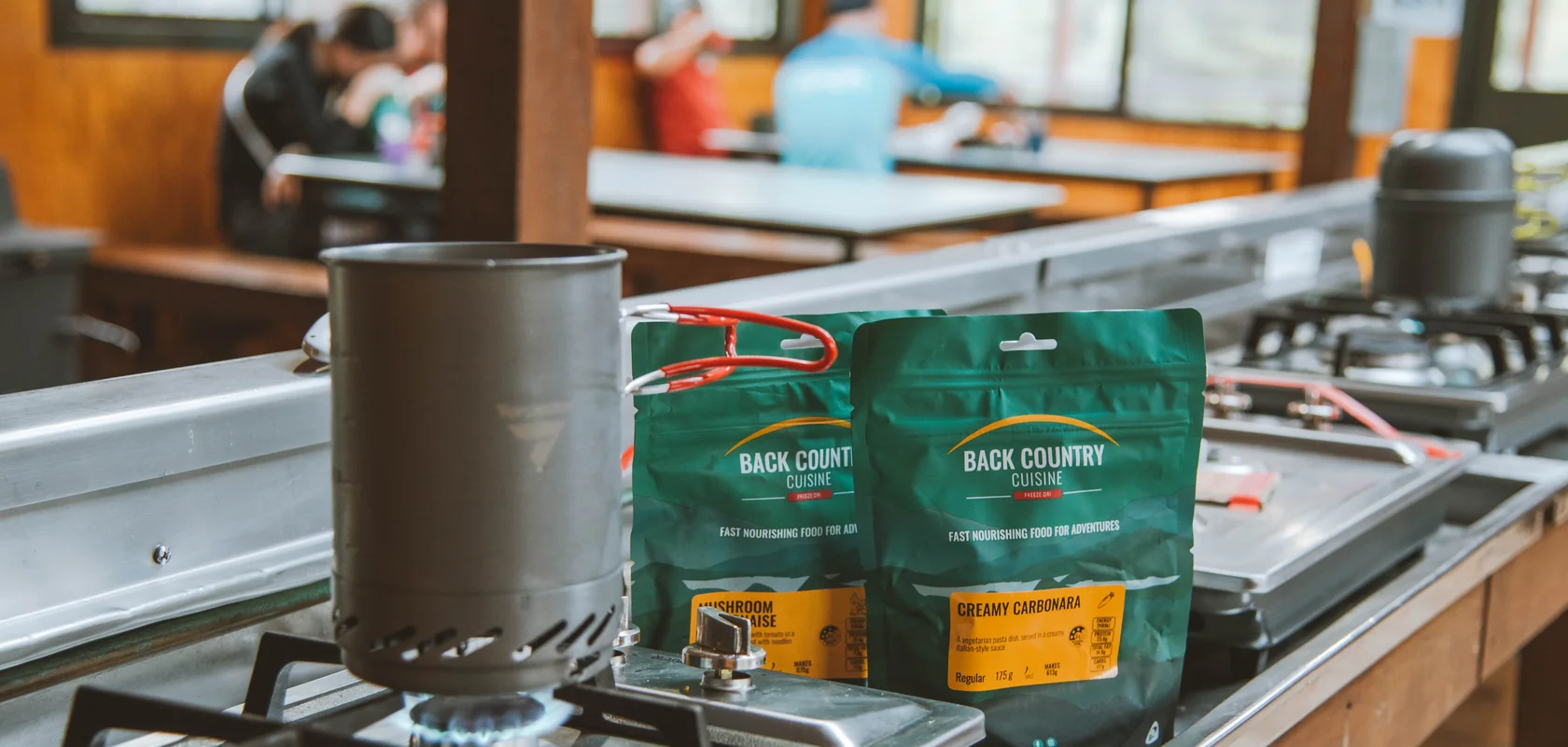
- Dinners: Dehydrated or freeze-dried meals are light and efficient. Pasta or rice-based meals with a sauce sachet also work well. Bring one 'treat' dinner for the best hut location of your trip.
Can I buy food in Te Anau before the Milford Track?
Yes - Te Anau has a supermarket and outdoor stores where you can buy supplies. If you're arriving from Queenstown or Christchurch on the day of your walk, it's worth shopping the day before and having everything packed and ready. Don't rely on buying everything at the last minute in Te Anau if you have an early bus departure.
What to Leave Behind
Great Walk huts have bunks, mattresses, and cooking gear. You don't need:
- A tent (unless you're also camping - some tracks have designated campsites)
- A stove (unless you prefer your own - gas canisters cannot be transported on some shuttle services)
- Multiple changes of clothes - two sets of hiking clothes (one on, one drying) is sufficient
- Heavy camera equipment - your phone camera will do exceptional work in Fiordland light
How heavy should my pack be for the Milford Track?
Most walkers aim for 8–12 kg fully loaded for a multi-day Great Walk. Above 15 kg and the experience of a long descent like Mackinnon Pass becomes noticeably harder. Weigh your pack before you leave and be honest about what's actually earning its place. Wet weather gear, food, and a sleeping bag liner are the weight that matters most - the rest can usually be trimmed.
The One Thing That Changes Everything
Pack your rain gear at the top of your pack - not buried at the bottom. In Fiordland, you need it accessible in 30 seconds, not 10 minutes of unpacking. This sounds obvious. Most people still put it at the bottom.
Happy walking. Fiordland rewards those who come prepared - and forgives them for being slightly damp.