Track Conditions on Fiordland's Great Walks: What Should You Expect in Every Season
Tags
Fiordland is one of the wettest places on earth. Understanding what the tracks are actually like - season by season - changes how you plan, pack, and walk.
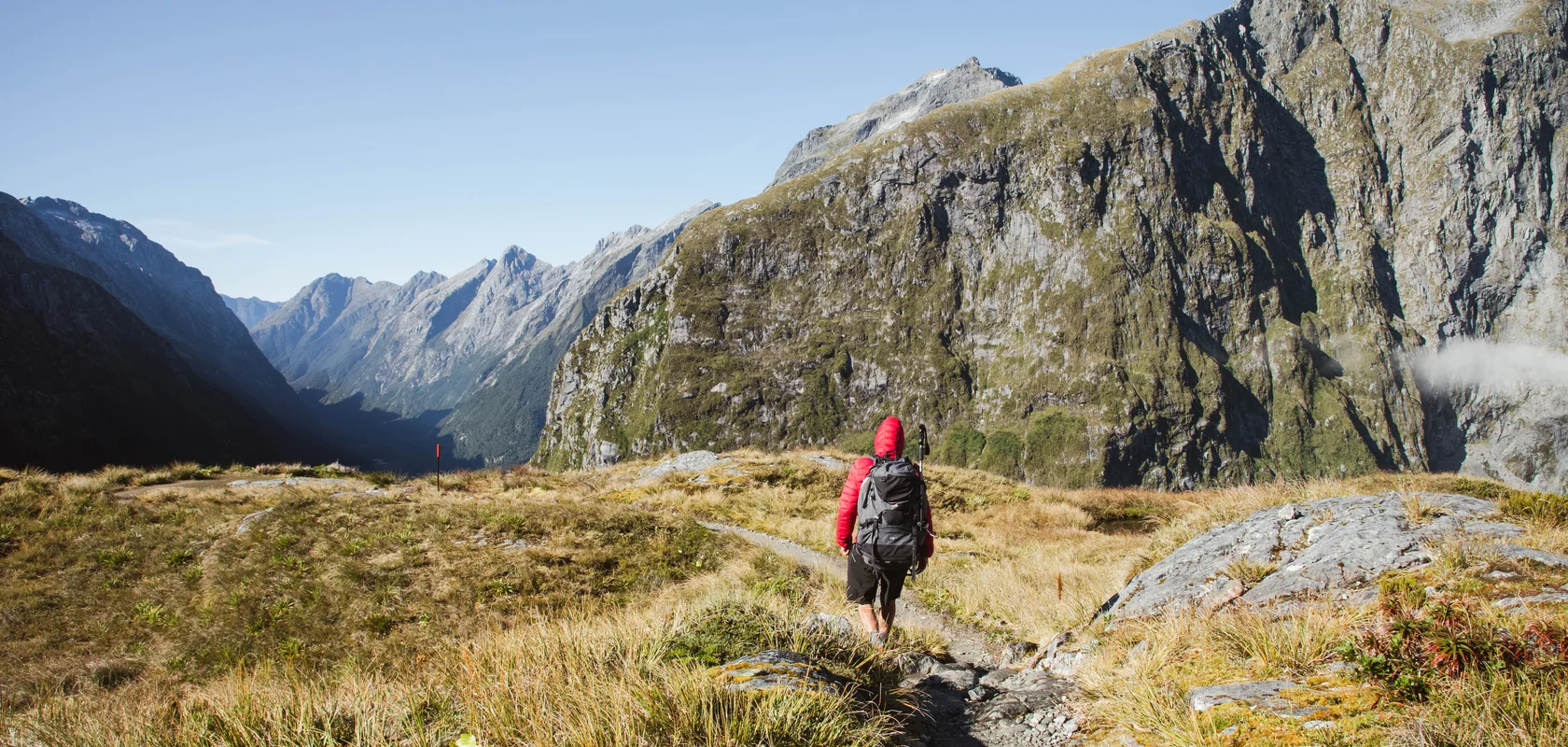
Fiordland receives some of the highest rainfall in the Southern Hemisphere. Parts of the region average over 7,000 mm of rain per year. That's not a warning — it's context. The rain is why the waterfalls exist, why the forest is extraordinary, and why every section of track feels alive.
But it does mean conditions vary significantly between seasons. Here's what each window actually looks like on the Milford, Routeburn, and Kepler tracks.
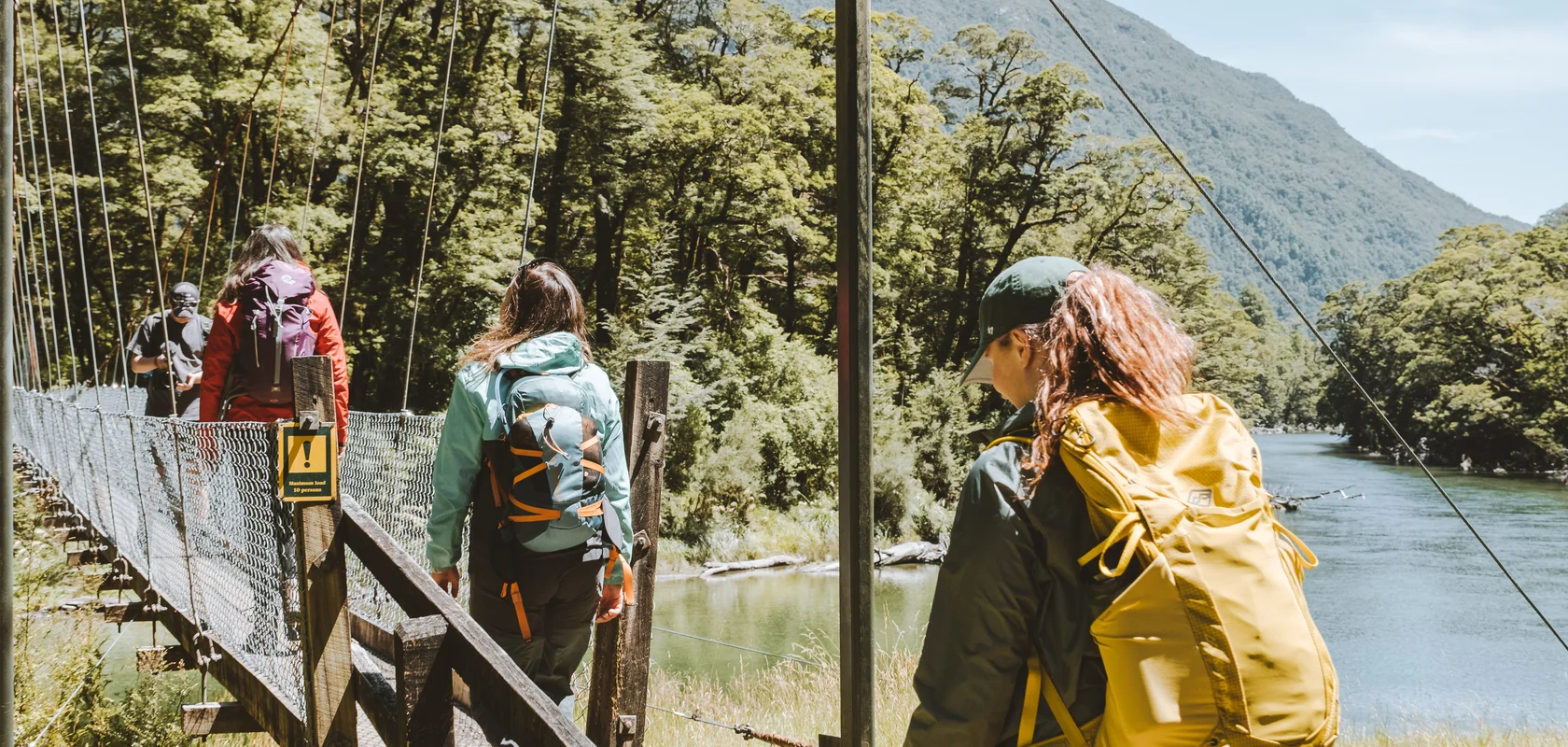
Great Walk Season (Late October - Late April)
This is when DOC's Great Walk infrastructure is fully operational — huts staffed, tracks maintained, and the booking system active for all three tracks.
Summer Core (December - February)
Long days and generally warmer temperatures. Still Fiordland-we - don't expect it to be dry all the time. The tracks are well-maintained and at their busiest. Milford and Routeburn are most likely to have good weather windows in January and early February, but rain events can be intense and rapid. Rivers can rise quickly after heavy rain - so always follow DOC guidance on crossing safety.
Spring Opening (Late October - November)
Tracks are freshly maintained after the off-season. Snow may still be present above the bushline on the Routeburn (Harris Saddle) and Kepler (Luxmore ridge). Expect mud after rain. Waterfalls are exceptional. Fewer trampers.
Autumn Close (March - Late April)
Weather generally settles into more stable patterns. The beech forest displays autumn colour. Milford and Kepler tracks remain excellent. Routeburn can be particularly beautiful with lower light angles. Check season close dates - all three tracks typically close in late April but confirm on doc.govt.nz.
Do I need to check track conditions before I walk?
Yes - always. DOC maintains a real-time track conditions page (doc.govt.nz) for all Great Walks. Conditions can change rapidly in Fiordland: a clear morning can be followed by a heavy rain event within hours. Check conditions the day before and the morning of departure. Your hut warden is also an excellent live source - they monitor conditions and will communicate any closures or hazards.
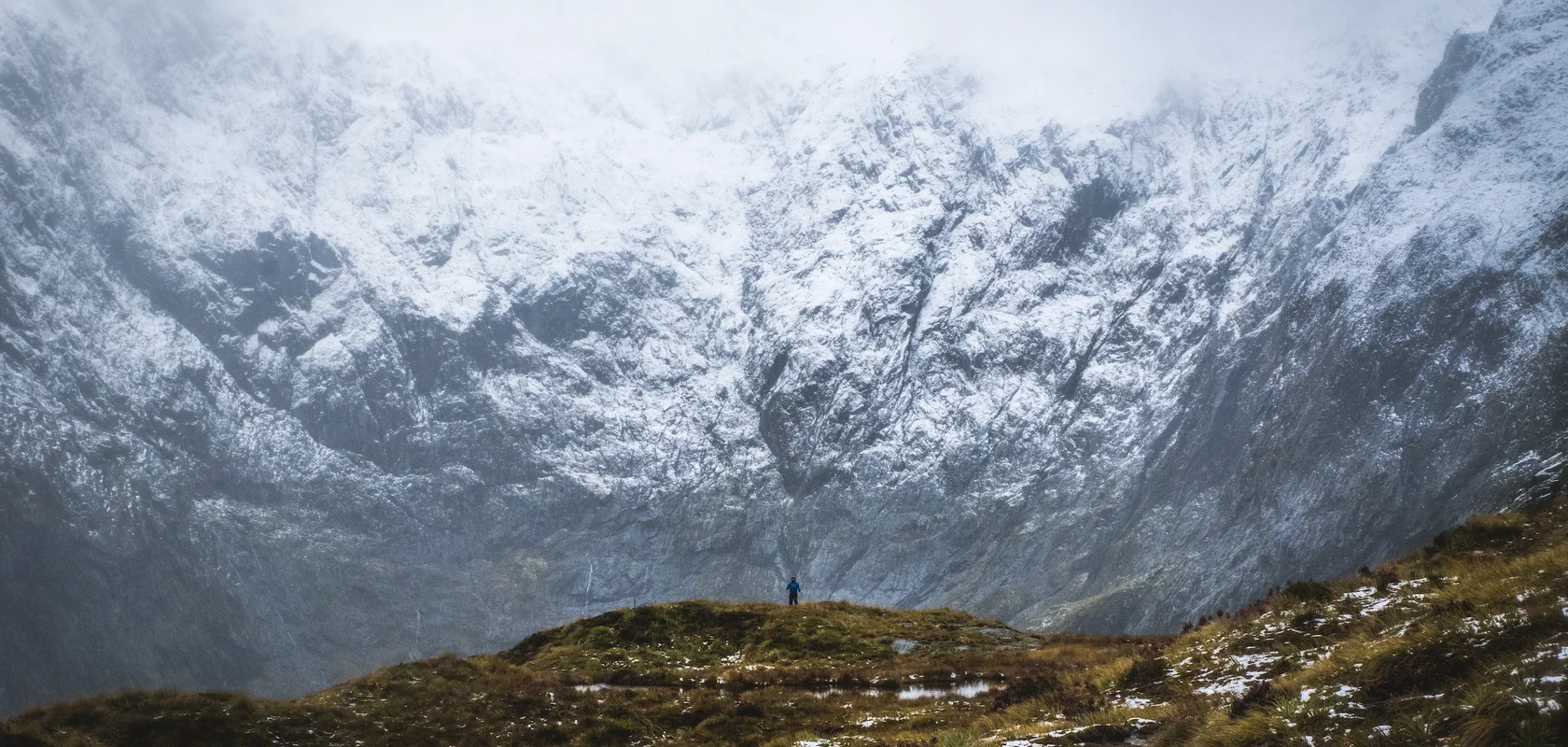
Off-Season (May – Late October)
This is where the three tracks diverge significantly in terms of safety and access.
Milford Track Off-Season
The Milford Track Great Walk season closes in late April. The track does not officially close in winter, but it shifts to a backcountry experience with unstaffed huts and standard DOC backcountry fees. The key hazard on the Milford Track in winter is avalanche risk. The section between Mintaro Hut and the pass, and the descent to Dumpling Hut, passes through avalanche terrain. DOC sometimes issues temporary closures of this section. Winter walkers must have appropriate backcountry experience, navigation skills, and avalanche awareness.
Routeburn Track Off-Season
The exposed alpine section of the Routeburn - from Routeburn Falls Hut over Harris Saddle to Lake Mackenzie - is subject to winter closure due to snow and avalanche risk. This closure is enforced rather than advisory. The lower sections of the track (Routeburn Gorge, Routeburn Flats) remain accessible year-round. Off-season walkers on the full track typically need ice axe, crampons, and avalanche skills - or to accept that the alpine crossing may be impassable.
Kepler Track Off-Season
The Kepler has the same winter dynamics: the alpine section between Luxmore Hut and Iris Burn Hut is subject to seasonal closure. The lower sections - particularly the Lake Te Anau shoreline walk and the Brod Bay area - remain open. DOC publishes seasonal closure dates on the Kepler Track conditions page.
Which Fiordland Great Walk is safest in winter?
All three tracks have alpine sections that carry genuine hazard in winter conditions. Of the three, lower sections of the Kepler Track (around Lake Te Anau) are the most accessible in winter for casual walkers, but the full circuit is not recommended without appropriate backcountry skills and equipment. For walkers who want a Fiordland experience outside the Great Walk season, day walks to the bushline are a safer option than attempting full alpine crossings.
You can book your day walk transport here
What Track Conditions Actually Mean for Your Walk
Rain doesn't ruin a Fiordland walk - it's part of it. Waterfalls you'd miss on a dry day appear around every corner after rain. The light is often extraordinary. Some of the most memorable Milford Track experiences happen in drizzle or low cloud.
What conditions do affect:
- River crossing levels - minor crossings can become impassable after prolonged heavy rain. The track has bridges for major crossings, but some sections require care.
- Mud - especially in spring and after heavy rain. Gaiters are worth packing for Milford and Kepler in particular.
- Alpine section safety - Mackinnon Pass, Harris Saddle, and the Kepler ridge can all be dangerous in wind, ice, or whiteout. The hut wardens monitor conditions and can advise delays.
- Track closures - rare but real. DOC can close sections at short notice. Always have a plan for an extended stay at a hut.
What should I do if the track closes while I'm on it?
Stay at your current hut and follow guidance from the hut warden. DOC hut wardens are trained to manage these situations and will communicate closure durations and alternatives. Most section closures last less than 24 hours. Never attempt a closed alpine section regardless of conditions appearing improved - DOC closures are risk-based and may reflect hazards not visible from the hut.